
A life of following questions
For as long as I can remember, I have been curious about how we live.
How we learn and change. How we make meaning. How we lead and care for one another. What draws us toward certain things and away from others. How attention changes what becomes visible. How the places we inhabit shape us—and how, in turn, we shape them.
I have followed those questions through many different rooms.
Through more than three decades of leadership and organizational life. Through building and leading a company. Through teaching and coaching. Through years of contemplative practice, yoga and movement. Through photography, writing, drawing, gardening and making. Through study and lifelong learning. Through marriage and motherhood, friendship and loss, change and beginning again.
For a long time, these might have looked like separate interests.
They don’t feel separate to me.
They are different places in which I have encountered the same enduring questions about what it means to be fully present to a life—and to participate thoughtfully in what that life is becoming.
The questions have changed me, too.
I once understood much of my work through the language of growth, possibility and transformation.
I still care deeply about flourishing. But over time, my understanding of it has become quieter, more relational, and more ecological.
I am less interested in asking how we become better versions of ourselves than in wondering what becomes possible when we enter more fully into relationship with the life that is already here.
What happens when we notice before we improve?
When we become curious before we conclude?
When we allow something to reveal itself before deciding what it means?
When we recognize that a life is not a problem to solve, but something we are already inhabiting?

Attention has been one of my longest teachers.
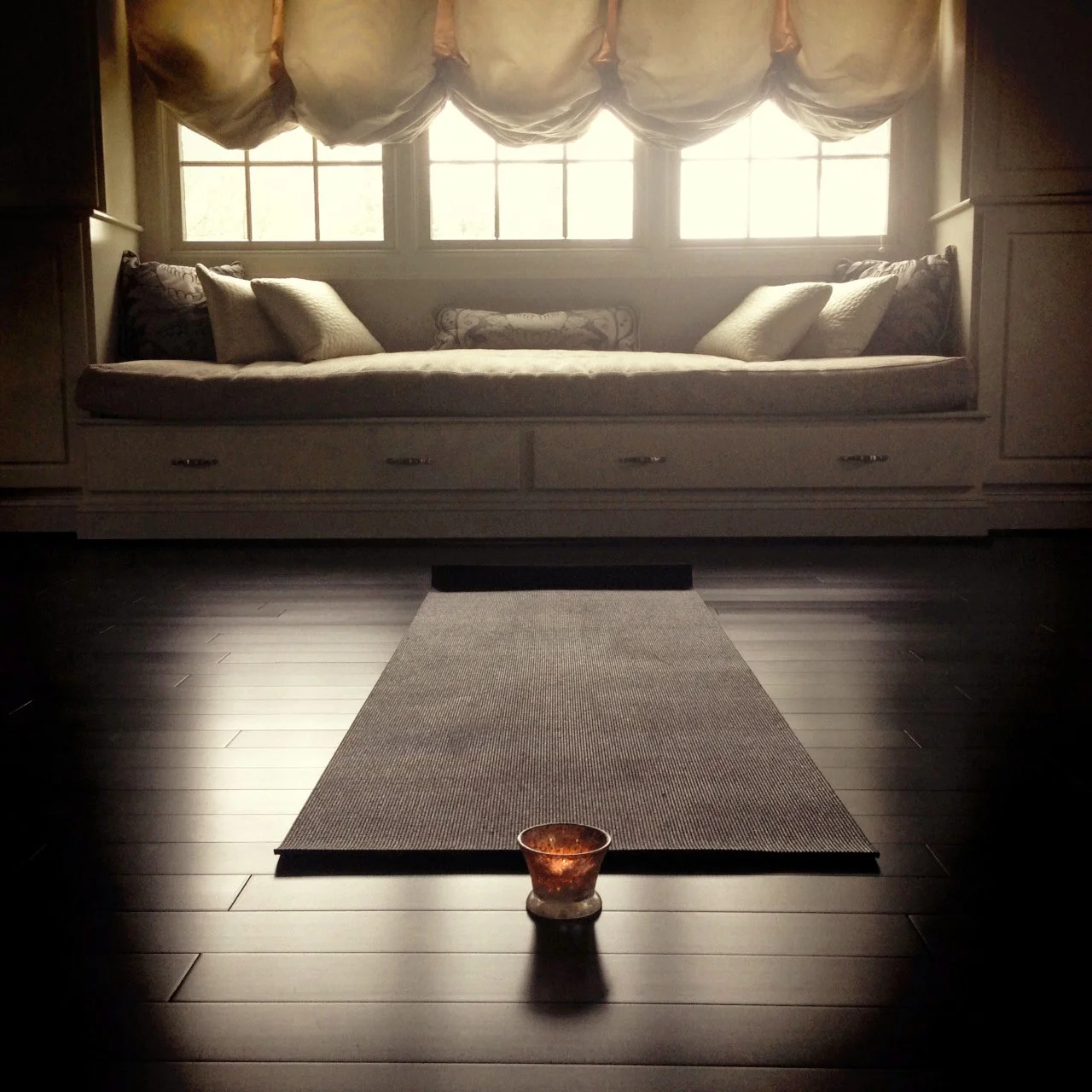
For decades, contemplative practice has been part of my daily life. So have practices of movement, observation, making and reflection.
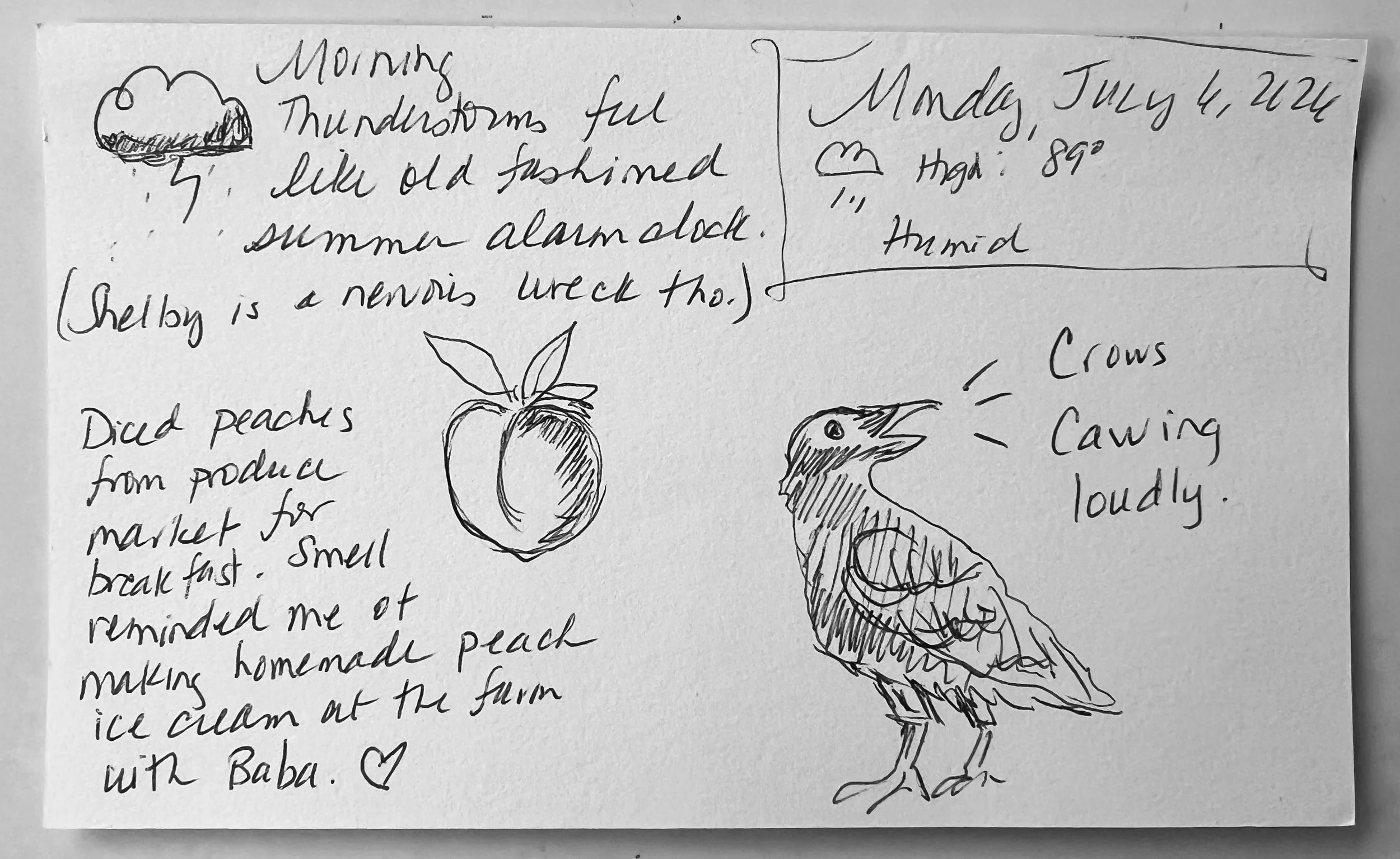
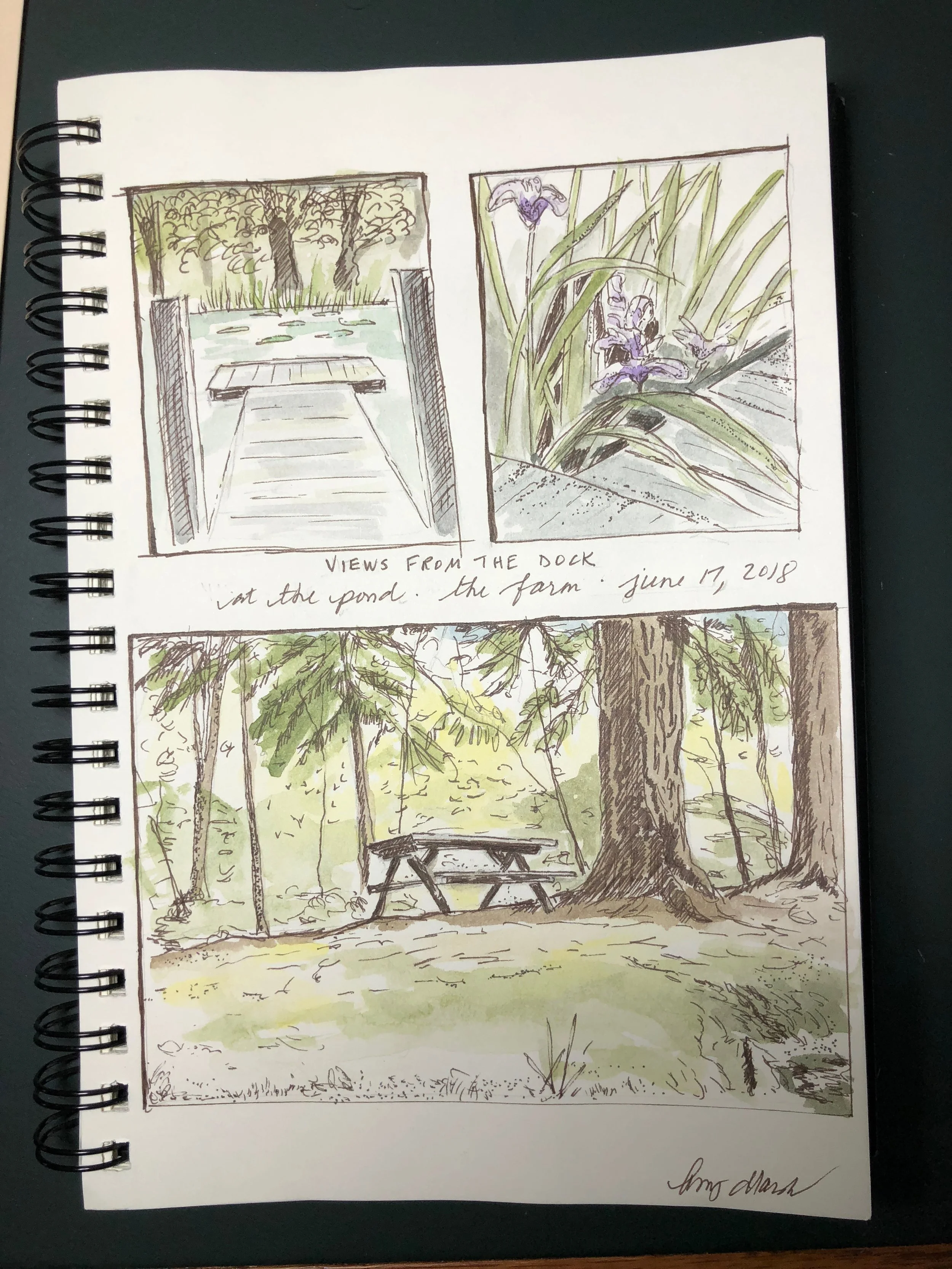
I have learned in boardrooms and gardens, classrooms and kitchens, conversations and quiet rooms. From people I have accompanied and people who have accompanied me. From books and teachers, photographs and field notes, difficult seasons and ordinary mornings.
Again and again, I have discovered that attention is not simply something we direct toward life.
Attention is one way we come into relationship with the life we are already living.
And relationship changes what becomes visible.
I have come to trust what happens when we make room for what is here.
Much of my work has involved accompanying people through seasons of change, uncertainty, possibility and becoming.
I have learned that people rarely need someone else to tell them what their lives should become.
More often, they need a place where they can hear themselves more clearly. Where curiosity can remain curiosity for a while. Where what is unfinished does not have to be hurried toward resolution. Where something barely visible can be allowed to come closer.
My role is not to stand outside another person's life with the answer.
It is to enter into careful relationship with what is already there—to listen, notice, wonder, reflect, and sometimes help make visible what has been difficult to see.
Sometimes presence is enough.
Over time, what seemed separate began to reveal itself as belonging together.
For years, leadership, teaching, coaching, contemplative practice, creativity, nature, learning, making and the ordinary work of living could have been named as different parts of my life.
But I kept encountering the same relationships among them.
Attention changes what becomes visible.
What becomes visible changes relationship.
Relationship changes how we respond.
And our responses become part of the conditions in which life continues to unfold.
I did not begin with a framework and then try to live inside it.
The coherence was being lived before it was legible.
And sometimes a new place, a new season, or a new way of seeing allows us to recognize what has been there all along.
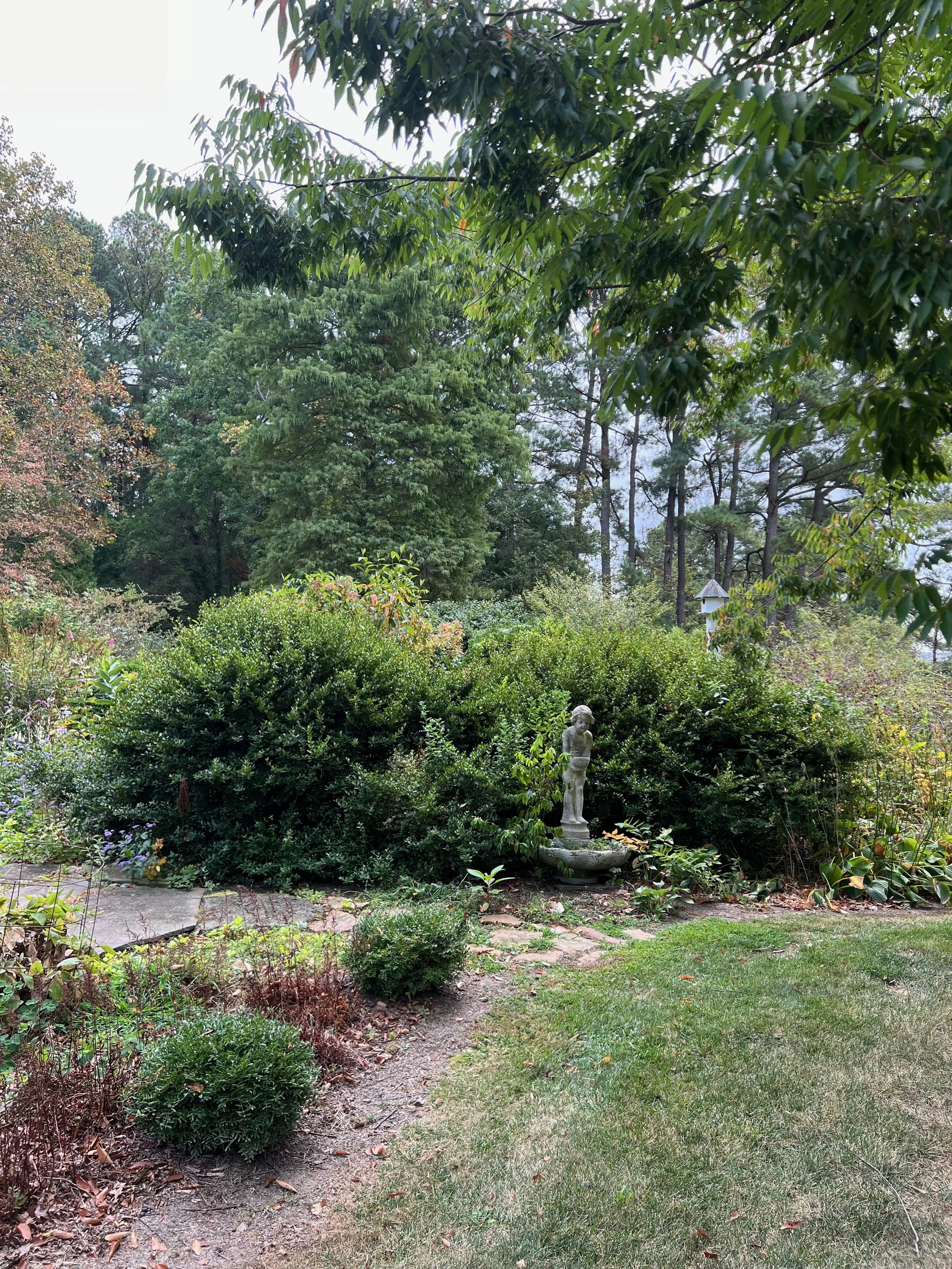
Then I inherited a garden.
I had made gardens for much of my life—planting, tending, experimenting, learning from what grew and what didn’t.
But this was different.
When I arrived here, I entered a garden already underway.
There were trees I had not planted, paths I had not made, plants whose names I did not yet know, and evidence everywhere of lives and seasons that had preceded mine.
My first task was not to create the garden.
It was to meet it.
To notice what was here. To learn its rhythms. To discover what returned and what disappeared. To understand what wanted tending and what might be better left alone.
And somewhere in that lived experience of receiving a place already underway, something I had been circling for years became visible.
I began to understand something about inheritance.
We enter so much of life already underway. We receive what we did not begin—and still, we participate.
The garden did not create the body of work. The garden helped me recognize the ecology of the body of work I had already been living.
The Inherited Garden became its name.
The work is still becoming.
The Inherited Garden is one expression of a much longer inquiry into how we inhabit our lives.
It gathers questions I have carried through leadership, teaching, coaching, contemplative practice, creativity, nature, learning, and the ordinary work of living.
I am interested in what happens when we stay with what is here long enough for relationship to deepen—and for something previously unseen to become visible.
Sometimes that becomes a conversation.
Sometimes a drawing, a photograph, or a field note.
Sometimes an essay or an inquiry.
Sometimes a gathering, a practice, or a piece of work made with another person.
I no longer feel much need to separate these things.
They belong to the same inhabited life.
And the work, like the life from which it grows, is still becoming.